DEAI
Article
Community & Connection
6fc6aa3a-4c9e-4ab4-b690-8b6bcfb20c08
4 min
https://edge.sitecorecloud.io/tessituraneab9a-tessiturane5642-staging-5396/media/Images/Discover-Images/Community-and-Connection/Clumsy-Conversations-768x465px.jpg?h=465&iar=0&w=768
Resources for holding introductory DEAI discussions
Introducing Clumsy Conversations
APR 10, 2026
4 min
How do you hold constructive introductory conversations about diversity, equity, accessibility and inclusion (DEAI)?
Clumsy Conversations offer a framework for Tessitura members to discuss these topics at their own organizations. The framework encourages empathy and understanding in these difficult and often vulnerable explorations that can be hard to navigate in the workplace.
Clumsy Conversations grew out of a 2022 project at Marbles Kids Museum by Shenette E. Swann, the museum’s Guest Engagement Manager of Training and Inclusion. The workshops were further developed by Tessitura’s Community DEAI Advisory Committee. A 2024 committee initiative was to “design and host a workshop at the Tessitura Learning and Community Conference […] on having uncomfortable conversations.” Kristen Olson, Tessitura’s Vice President of Learning & Community, along with committee members Shenette E. Swann and Samantha Cantu, then Patron Services Manager at Opera Colorado, developed the session that was held at the 2024 conference in Washington, D.C.
Goals of Clumsy Conversations
One aim of Tessitura’s Community DEAI Advisory community is to “inspire Tessitura members to advance diversity, equity, accessibility and inclusion in the Tessitura community, in their organizations, and in the arts and culture sector.” Participant feedback suggests that Clumsy Conversations sessions are able to do just that. When we’re given permission to be clumsy and space to feel uncomfortable, we open the door to empathy. Building empathy — as teams, organizations and the wider arts and culture sector — increases opportunities to learn, challenge ourselves and feel a sense of belonging.
In an industry often at the mercy of government funding, patron support, and a constantly changing political landscape, it can be difficult to dedicate the time to listen to and learn from one another. The breadth of lived experiences — of humanity — is vital to arts, culture and technology. Clumsy Conversations provide a space for us to contemplate that lived experience together.
What to expect from a Clumsy Conversations workshop
These workshops aim to create a supportive space in which participants can get comfortable discussing topics that are often uncomfortable. Each workshop lasts for approximately 45-60 minutes. It begins with an introduction to the Clumsy Conversations framework and how the session will function. The facilitator sets guidelines to help participants maintain open and honest communication. Participants are encouraged to:
- Listen respectfully
- Speak honestly
- Stay curious
- Assume positive intent
- Respect confidentially
Next, participants are organized into breakout groups to encourage more personal conversation. Each breakout group is led by a preassigned facilitator who carefully guides the conversation. The facilitator chooses a topic card, then reads out the term and its definition. Participants then share or reflect on their own perspective/experience of the word. Any engagement in the session is voluntary.
After the small-group discussions, the wider group gathers to reflect and share back. Participants might explore questions such as: How did that feel for you? Did something challenge your thinking?
Is Clumsy Conversations something you want to advocate at your organization? We’re pleased to provide resources to help you bring the workshop back to your organization or community.
Clumsy Conversations in the Tessitura community
Since the first Clumsy Conversations workshop at TLCC in 2024, the sessions have spread throughout the Tessitura community.
So far, there have been six member-facing workshops at four TLCCs. These include sessions at TLCC London in 2025 and 2026. This year’s London session was led by Kristen Olson along with Robyn Thomas of Southbank Centre. The last North America iteration was held at TLCC Anaheim in 2025 with 100 participants. It was led by Samantha Cantu with Ashley Dawson of the Santa Barbara Centre for the Performing Arts.
In October 2025, two Tessitura members facilitated a session as part of an Inclusion, Diversity, Equity and Accessibility (IDEA) committee event at the Louisville chapter of the Association of Fundraising Professionals (AFP). The session, organized by Leslie A. Wilson and Lan Nguyen-Colgate from Kentucky Performing Arts and co-hosted by Shenette E. Swann, attracted 24 participants. The group shared tips on how to facilitate the space in this type of environment. For example, they suggested that people invite new perspectives by not sitting with others from their own department or company. They also allowed participants to ask questions anonymously [...] “for those who either don’t like speaking in a group or felt nervous about asking an honest question on a difficult topic.”
The next “Getting comfortable being uncomfortable with Clumsy Conversations” workshop will be offered in person at TLCC Washington, D.C. in August 2026.
Resources
Are you interested in attending Clumsy Conversations at future TLCCs, or holding a workshop at your organization? Check out our downloadable resources designed for the North American and European regions.
Facilitator sheet (North America) ›
Facilitator sheet (UK and Europe) ›
At this time, Clumsy Conversations has not yet been offered in the Asia Pacific region.
Tessitura’s Community DEAI Advisory Committee always welcomes your feedback, questions, concerns or ideas for collaborative opportunities.
About Shenette E. Swann, the creator of Clumsy Conversations
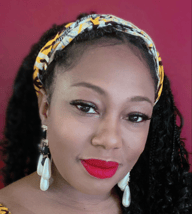
Shenette E. Swann is the Guest Engagement Manager of Training and Inclusion at Marbles Kids Museum, where she has spent the past decade cultivating a culture of belonging in downtown Raleigh. Known for her empathetic and strategic approach to inclusion, she leads Marbles’ DEAI initiatives, strengthening accessibility, cultural sensitivity and authentic community partnerships.
Swann has advanced representation through collaborations and programming that celebrate both Black history and LGBTQIA+ communities. A frequent conference speaker on inclusive spaces, she also serves as Chair of the Marbles DEAI Committee and works with the North Carolina Museums Council to promote equity across the museum field.
Guided by her motto, “People before projects,” Swann believes belonging drives every organization’s success. Beyond the museum, she empowers others as a narrative journaling coach and musical performer—a singer, songwriter, and percussionist with music available on all major platforms.
• • •
Written by Robyn Thomas on behalf of the Community DEAI Advisory Committee
Topics
DEAI

 Insights and Innovation
Exploring Tessitura's technology roadmap
Company News / Technology
A peek at how we decide our product priorities
 Insights and Innovation
Unique and special
Company News / Technology
Vice President of Product Debra Weissman shares takeaways from her first three months at Tessitura
 Insights and Innovation
Feels like home
Arts & Culture / Audience Development / Business Strategy
Andrew Recinos describes how warmth, familiarity and connection offer the magic ingredients to create lifelong fans